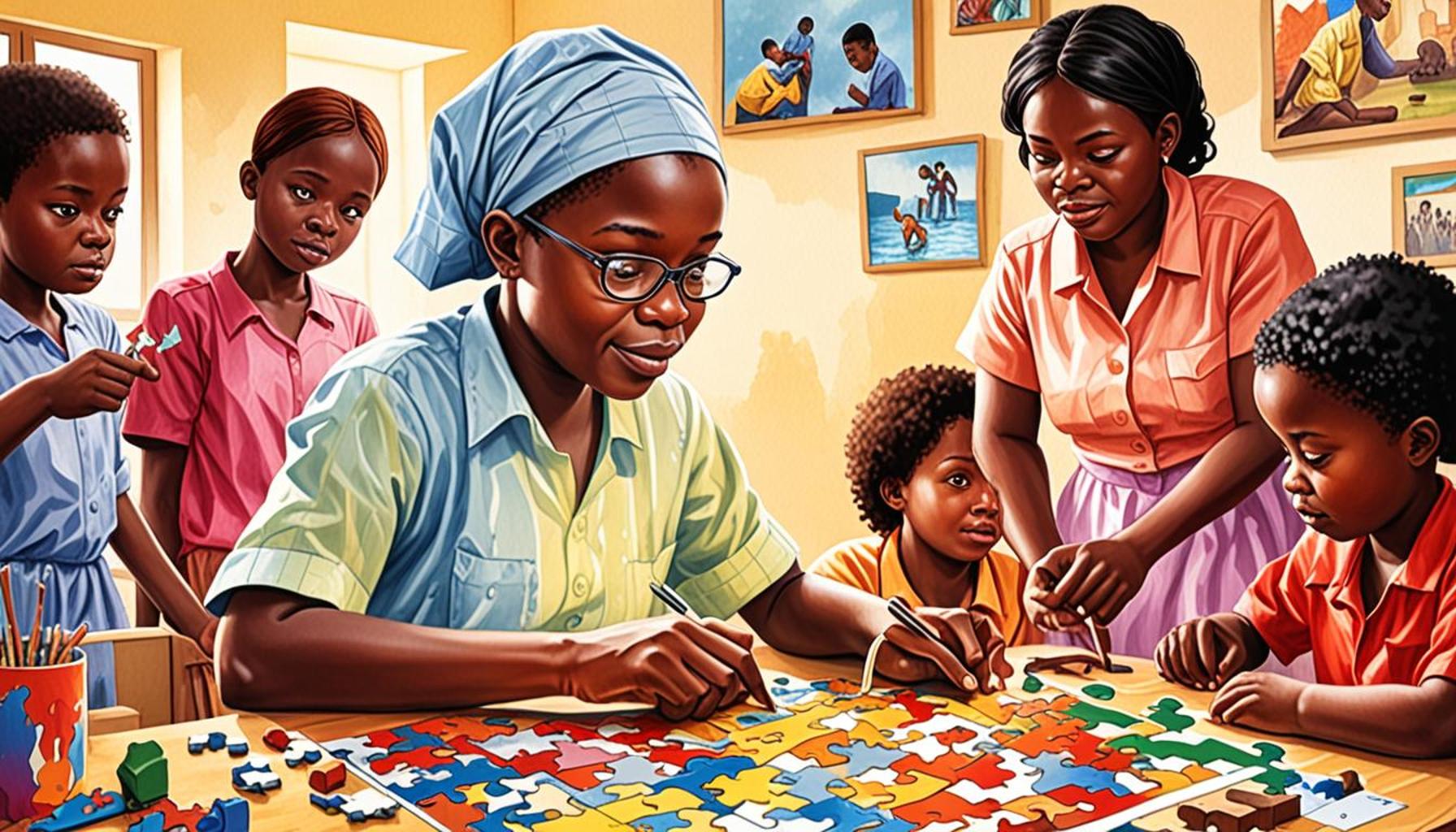
Unveiling the Cognitive Benefits of Traditional Nigerian Puzzles
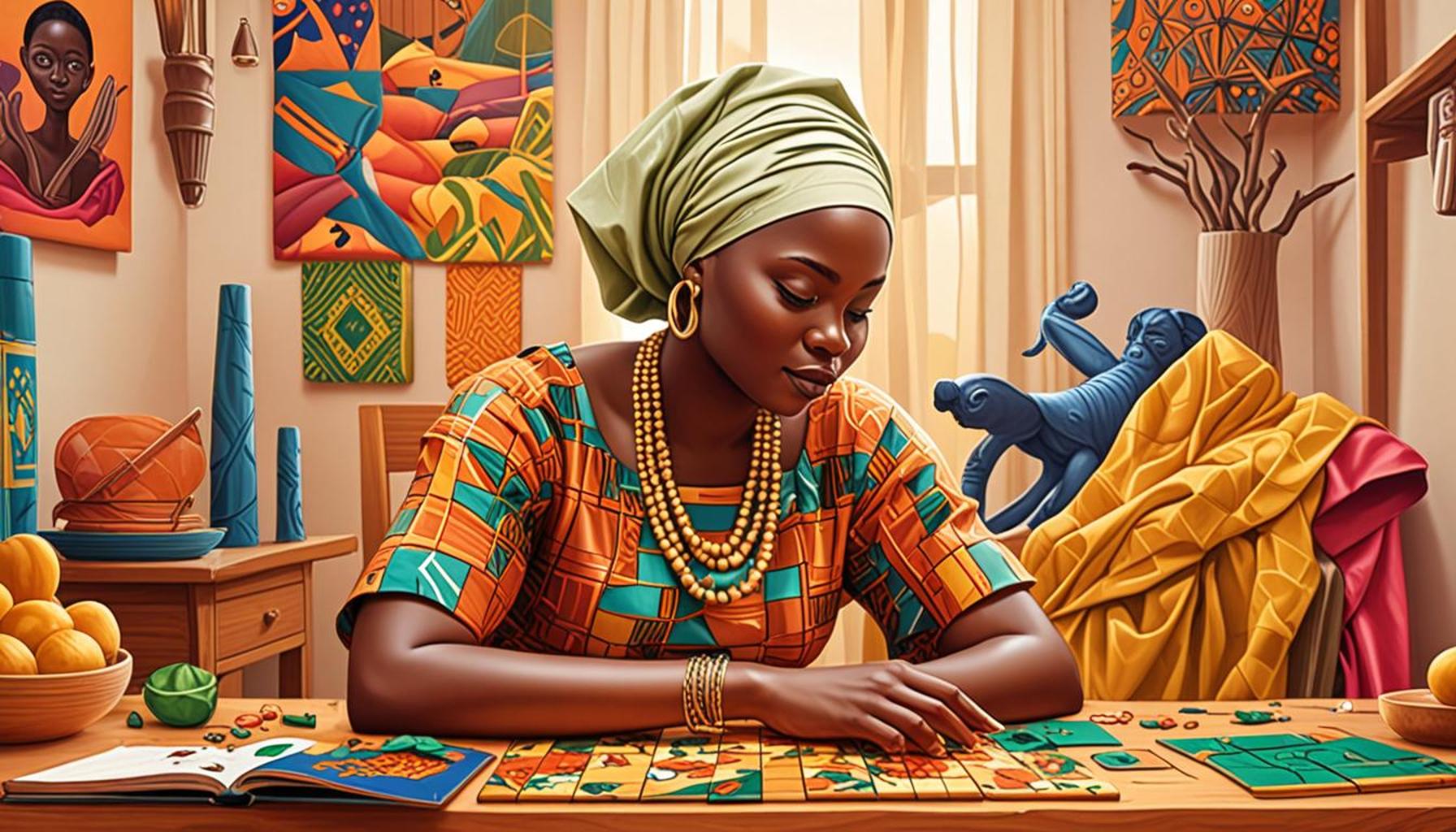
The Role of Traditional Nigerian Puzzles in Cognitive Development
Traditional Nigerian puzzles, crafted with a rich history and cultural significance, serve as more than mere pastimes for both children and adults across the country. Intriguingly, these games are surrounded by narratives passed down through generations, reflecting the values and social norms of Nigerian communities. Engaging in these activities not only fosters a sense of belonging but also comes with a myriad of cognitive benefits that merit greater recognition.
One of the paramount benefits of playing traditional puzzles such as Oware and Damii lies in the enhancement of problem-solving skills. Players must analyze their options and think several steps ahead to outsmart their opponents. For instance, in Oware, the strategic distribution of seeds into pits requires foresight and planning. This critical thinking is not just beneficial in a gaming context; it translates into real-life situations where decision-making and strategy are essential.
Furthermore, engaging with these puzzles significantly contributes to improved memory. The repetitive nature of these games often involves recalling previous moves and identifying patterns, which serve to sharpen memory retention. A player of Damii, for instance, must keep track of various positions on the board, enhancing not just short-term memory but also contributing to long-term cognitive abilities. Such mental exercises deliver lasting effects that can be apparent in academic settings and daily tasks.
Another fascinating aspect of traditional puzzles is their contribution to cognitive flexibility. Players frequently encounter diverse rules and game variations, pushing them to adapt and think on their feet. This adaptability is vital in today’s fast-paced world, where rapid changes are a norm. For example, a player transitioning from Oware to Chess needs to shift their mindset and strategies quickly, an exercise that cultivates a nimble and versatile thought process.
Studies suggest that involvement in such traditional games can lead to improved mental acuity, promoting overall cognitive health. As families and communities engage with these puzzles, they not only entertain but also nurture future generations’ mental capabilities. In this light, traditional Nigerian puzzles emerge as invaluable tools for cognitive development, enriching the minds of both young and old. As we continue to explore the intricate world of these games, it becomes increasingly clear that they are not just relics of the past; they are dynamic instruments for learning and growth in contemporary society.
LEARN MORE: This related article may interest you
The Transformative Power of Traditional Nigerian Puzzles
Traditional Nigerian puzzles are more than just games; they are a treasure trove of cognitive stimulation that can unlock various skills vital for mental agility. From the bustling streets of Lagos to the serene villages in the North, these puzzles, such as Yoruba’s Ayo or Igbo’s Okwe, captivate players of all ages, providing them not only moments of joy but also opportunities for profound cognitive engagement.
A fundamental aspect of these traditional puzzles is their remarkable ability to enhance critical thinking. Players are often faced with the need to evaluate multiple outcomes before making a move. For example, in Ayo, a player must anticipate their opponent’s strategy and respond accordingly. The mental discipline required in this strategy promotes analytical thinking, which extends beyond the game and spills into academic pursuits and everyday decision-making. A memorable quote from an aficionado of the game encapsulates this concept well: “In Ayo, every move you make is a step toward your future; plan wisely, and you never lose.”
Moreover, traditional puzzles serve as a useful medium for sharpening pattern recognition. This skill is pivotal, as it involves seeing connections and trends that may not be immediately apparent. Players, particularly children, who regularly engage with puzzles like Okwe, enhance their capability to identify and react to patterns, thereby boosting their mathematical and analytical skills. This cognitive enhancement is especially relevant in academic settings where problem-solving abilities are crucial for success.
The Multidimensional Benefits of Traditional Puzzles
The cognitive benefits of traditional Nigerian puzzles unfold in multiple dimensions, contributing to personal development in significant ways. Here are some key advantages:
- Enhanced Strategic Thinking: Players learn to devise strategies that encompass both offense and defense, thereby improving tactical planning.
- Boosted Social Skills: These puzzles are often played in groups, strengthening social interaction and teamwork, essential traits in both personal and professional realms.
- Memory Improvement: By requiring players to remember rules, sequences, and strategies, these puzzles continually engage and evolve mental memory skills.
- Stress Relief: Engaging in these games allows for moments of relaxation, reducing anxiety and providing a break from the fast-paced world.
As individuals immerse themselves in traditional Nigerian puzzles, they unlock a wealth of cognitive benefits that go far beyond the confines of the gameboard. Utilizing these time-honored methods not only preserves rich cultural traditions but also empowers the intellect of those who embrace them. In a landscape where modern distractions abound, these traditional games remind us of a simpler, yet profoundly effective way to enhance cognitive capabilities while connecting with the cultural roots of Nigeria.
Unveiling the Cognitive Benefits of Traditional Nigerian Puzzles
Traditional Nigerian puzzles have long been an essential aspect of cultural heritage, serving as both entertainment and a means of mental exercise. As we delve deeper into this captivating realm, it becomes apparent that the cognitive benefits they offer are profound and wide-ranging. The intricate designs and challenging nature of these puzzles activate various cognitive functions, including problem-solving skills, memory enhancement, and strategic thinking. By engaging with puzzles such as the *Amala Game* or *Nigerian Mancala*, players tap into their creativity while also honing their ability to think critically under pressure. Moreover, these traditional games foster social interaction, leading to enhanced communication skills and emotional intelligence.Puzzle enthusiasts often report increased mental agility and improved focus, which can be attributed to the practice of navigating complex scenarios and predicting outcomes. In a world increasingly dominated by technology, the allure of solving traditional puzzles not only reconnects individuals with their cultural roots but also elevates their mental capabilities in unique ways.To further illustrate the advantages of these traditional puzzles, we invite you to explore the following table summarizing key categories and their respective benefits:
| Category | Benefits |
|---|---|
| Problem Solving | Enhances ability to think critically and navigate complex scenarios. |
| Memory Skills | Improves memory retention and recall through repetitive engagement. |
| Social Interaction | Fosters communication, teamwork, and emotional intelligence during play. |
Engaging in traditional Nigerian puzzles not only entertains but also serves to sharpen the mind, making them an invaluable addition to both educational and leisure activities. Whether played alone or with others, these games are a powerful stimulus for cognitive development, inviting a deeper appreciation for a rich cultural heritage while enhancing valuable mental skills.
RECOMMENDED: Check out this similar article
Connecting Generations Through Puzzles
Traditional Nigerian puzzles play a pivotal role in intergenerational bonding, creating a rich tapestry of shared experiences that aid both cognitive and emotional development. These games transcend mere entertainment; they are vital conduits for storytelling, nostalgia, and cultural heritage. For instance, while elders teach younger generations how to play Oware, they frequently integrate narratives filled with moral lessons, history, and life skills, ensuring that both mind and spirit are nurtured in the process. This blend of play and pedagogy significantly enhances the cognitive learning process, fostering a deeper understanding of one’s roots and values.
Additionally, traditional puzzles can instill a sense of cultural pride and identity. As children engage with games synonymous with their ethnic backgrounds—like the Yoruba’s Damii or the Hausa’s Shadi—they not only develop cognitive skills but also grow a profound appreciation for their cultural heritage. This dual benefit encourages self-esteem and positive self-identity, laying a foundation for stronger mental resilience in their future endeavors. Research indicates that cultural engagement can positively influence individuals’ mental health and social efficacy, showcasing how traditional puzzles can significantly benefit cognitive and emotional well-being.
Unlocking the Doors to Diverse Thinking
Moreover, traditional puzzles foster diversity in thought processes which is critical in today’s globalized world. Engaging with games such as Ampe or Chop the Board sharpens players’ abilities to adapt their strategies depending on varying opponents and circumstances. This flexibility in thinking mirrors real-life problem-solving scenarios where adaptability is a crucial trait for success. The ability to pivot and reevaluate strategies cultivates a mindset tuned to innovation and creativity, traits that are highly sought after in both academic and professional landscapes.
Support for these claims is heightened by educational studies indicating a correlation between chess and traditional games with improved cognitive flexibility among participants. By playing these traditional games, individuals learn to anticipate opposing moves and strategize efficiently, skills indispensable in academic fields such as mathematics and science, where analytical thought processes dominate. The puzzles encourage players to think critically and act strategically, which carries over into problem-solving outside of the game.
Furthermore, the rewarding nature of solving puzzles acts as a motivational vehicle, propelling players to face challenges head-on. When faced with complex scenarios in games, the triumph of solving a tough puzzle can instill a sense of accomplishment. This success fosters a positive mindset when tackling challenges in academic or life situations, improving resilience and perseverance—attributes essential for thriving in the competitive environment that today’s youth face.
In essence, traditional Nigerian puzzles do more than entertain—they empower players with essential cognitive skills, personal insights, and cultural connectedness, cultivating a generation that is not only intelligent but also rich in heritage and resilience.
SEE ALSO: Click here to read another article
Final Thoughts on the Cognitive Power of Traditional Nigerian Puzzles
In conclusion, traditional Nigerian puzzles are more than just games; they are essential tools that promote cognitive development and foster cultural continuity. Through engaging in these puzzles, individuals not only sharpen their critical thinking and problem-solving skills but also bridge generational gaps, establishing connections that enhance both emotional intelligence and cultural pride. As younger generations rediscover these ancient games, they unlock a trove of knowledge and wisdom that has been passed down through time, enriching their educational and social experiences.
The adaptability and strategic thinking developed through games like Oware and Ampe equip players with skills that translate into real-life challenges, reinforcing the importance of cognitive flexibility in our increasingly complex world. Moreover, the narratives and moral lessons intertwined with these puzzles instill a sense of identity and self-worth, further supporting mental resilience. As evidenced by various studies, the integration of traditional play in educational settings could significantly boost not just academic performance but also overall mental well-being.
As we embrace these cultural artifacts, it is paramount to recognize their value in shaping not only smarter individuals but also culturally aware citizens. This insight encourages parents, educators, and policymakers to incorporate traditional puzzles into learning environments, ensuring younger generations grow up appreciating their heritage while acquiring vital cognitive abilities. In doing so, we create a robust pathway toward a future that is intelligent, resilient, and firmly rooted in rich Nigerian traditions.