
The Importance of Positive Affirmations in Building a Healthy Self-Image

The Power of Positive Affirmations
In a world filled with constant challenges and distractions, our self-image can often take a hit. Positive affirmations stand as a powerful tool, helping individuals reshape their perceptions of themselves. These affirmations are simple yet impactful statements that promote self-worth and foster a mindset conducive to growth. They offer a path toward greater self-acceptance and confidence, making them an invaluable asset in personal development.
Consider the following benefits of incorporating positive affirmations into daily routines:
- Enhanced Self-Esteem: Regularly affirming positive traits can significantly boost self-confidence. For instance, a student who tells themselves, “I am capable and intelligent,” before an exam may perform better than one who doubts their abilities. Research has shown that those who consistently practice affirmations exhibit higher levels of self-esteem and a more positive outlook.
- Resilience Building: Positive statements enable individuals to bounce back from setbacks. When facing challenges at work or in personal relationships, affirmations such as “I am strong and adaptable” can help individuals maintain a sense of agency and control, allowing them to tackle obstacles more effectively.
- Reduction of Negative Thought Patterns: Replacing negative self-talk with affirmations can lead to a clearer mindset. For example, if someone often thinks, “I’m not good at speaking in public,” substituting that thought with “I express myself clearly and confidently” can gradually transform their perspective and abilities.
Research indicates that by committing to positive affirmations, individuals can rewire their brain’s thought processes, creating new neural pathways associated with positive self-perception. This mechanism of change is supported by psychology; the more we practice affirming our strengths, the more likely we are to believe in them. In the United States, mental health professionals increasingly emphasize the importance of positive self-talk in therapy and self-help programs such as Cognitive Behavioral Therapy (CBT) and mindfulness-based approaches. This ongoing trend sheds light on the growing recognition of affirmations as a valid method for developing a healthier self-image.
For those interested in integrating positive affirmations into their daily lives, simplicity is key. Writing down affirmations in visible places—like mirrors, notebooks, or even on smartphones—can serve as a constant reminder of one’s worth. This practice is not just about saying uplifting words; it’s about internalizing and believing them. As we delve deeper into the transformative power of positive affirmations, it becomes clear that a simple change in speech can lead to profound changes in the way we perceive ourselves. The journey to a stronger self begins with the words we choose to embrace.
DISCOVER MORE: Click here to learn how to enhance your affirmations
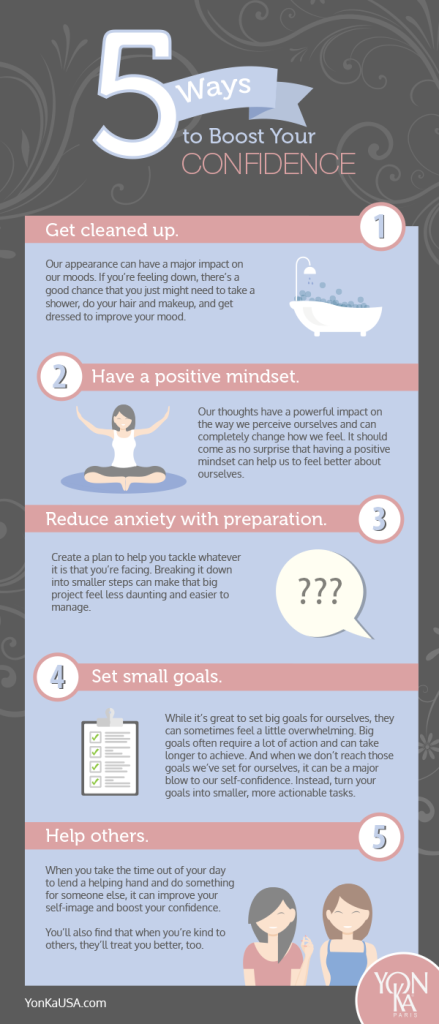
Transforming Your Inner Dialogue
The journey toward a healthy self-image often begins with the words we say to ourselves. Positive affirmations serve as a cornerstone in this transformation, reshaping not only our self-perception but also the way we interact with the world around us. These statements, often crafted to be clear and concise, help to channel feelings of self-love and acceptance, leading to significant changes in one’s emotional and mental well-being.
One of the most critical aspects of positive affirmations is their ability to counteract self-doubt. Studies have shown that individuals who engage in positive self-talk tend to experience lower levels of anxiety and depression. They also report higher levels of satisfaction in various life areas, including relationships and career prospects. This indicates that the impact of affirmations extends beyond personal feelings to influence overall quality of life.
Incorporating positive affirmations into one’s daily routine can take many forms, and consistency is key. Here are a few effective strategies:
- Morning Ritual: Starting your day with positive affirmations creates a foundation for a successful day. For example, saying, “I am worthy of love and happiness,” can set a positive tone for your interactions.
- Visual Reminders: Writing affirmations on sticky notes and placing them in places you frequently visit, such as your bathroom mirror or computer screen, keeps your self-worth at the forefront of your mind.
- Affirmation Journaling: Dedicate a journal to your affirmations. Writing them down can deepen their impact, helping to solidify these positive beliefs as part of your identity.
Research supports these practices, revealing that those who actively engage in affirming their positive qualities can experience a shift in their neural pathways. This phenomenon, known as neuroplasticity, allows the brain to adapt and change based on experiences and habits. Adopting a mindset centered around affirmations can effectively rewire negative thought patterns, fostering a greater sense of self-efficacy and resilience in the face of everyday challenges.
Moreover, the connection between positive affirmations and social influence cannot be overlooked. A study published in the journal “Psychology of Science” found that people who practiced affirmations reported better relationships with their peers, which, in turn, helped them bolster their self-image. This seems to create a positive feedback loop: as self-perception improves, relationships flourish, which further enhances self-esteem.
As individuals in the United States continue to navigate the complexities of modern life, the role of positive affirmations can not only support but also empower. The simplicity and accessibility of applying these powerful phrases make them an essential component of a holistic self-care regimen. By recognizing the profound impact these small changes can make, individuals can embark on a journey toward a more authentic and loving self-image.
| Advantage | Description |
|---|---|
| Enhanced Mental Well-being | Utilizing positive affirmations can lead to improved emotional health, reducing anxiety and stress. |
| Increased Self-Confidence | Regular practice of affirmations reinforces a strong belief in one’s abilities, fostering greater self-esteem. |
| Behavioral Change | Positive affirmations can influence actions and thought patterns, steering individuals toward healthier choices. |
| Resilience Boost | By reinforcing positive self-beliefs, affirmations enhance one’s ability to recover from setbacks. |
The practice of positive affirmations serves as a powerful tool for individuals aiming to cultivate a robust self-image. Engaging in this daily practice can create substantial transformations in how individuals perceive themselves. For instance, research indicates that the consistent application of these affirmations can yield a profound enhancement in mental well-being, aiding in the reduction of feelings of anxiety and stress, and promoting a more positive outlook on life.Furthermore, the correlation between affirmations and self-confidence cannot be overstated. Individuals who regularly utilize affirmations report a marked increase in their confidence levels, which is vital for pursuing personal and professional goals. This increment in self-belief empowers them to tackle challenges head-on and embrace opportunities they may have previously shied away from.Moreover, the ripple effect of affirmations leads to tangible behavioral changes. When individuals reaffirm their strengths and capabilities through positive self-talk, it can lead to healthier lifestyle choices. For example, someone who recites affirmations of their resilience might choose to engage in fitness routines or healthy eating habits, ultimately benefiting their overall health.Lastly, positive affirmations also contribute to building resilience. Facing life’s uncertainties and obstacles can be daunting, yet affirming one’s strengths cultivates a mindset equipped to bounce back and learn from adversity. This realization of intrinsic worth enables individuals to pivot effectively during challenging times, thereby reinforcing the importance of positive affirmations in nurturing a healthy self-image.
DISCOVER MORE: Click here to learn how to set effective goals
The Ripple Effect of Positive Affirmations
Beyond individual benefits, the practice of positive affirmations has far-reaching implications that can significantly influence broader communities. The ripple effect of cultivating a healthy self-image not only boosts personal confidence but also has the potential to impact interpersonal relationships and community engagement. When individuals radiate positivity and self-acceptance, they create an environment where others feel encouraged to do the same.
Within the workplace, for instance, positive affirmations can enhance team dynamics and productivity. Employees who embrace affirmations often report feeling more valued and appreciated, which translates into increased job satisfaction and improved collaboration. A well-known study from the University of Pennsylvania found that employees who engaged in positive self-affirmation were 12% more efficient in their work tasks than their peers who did not participate in similar practices. This underlines the significance of affirmations in enhancing not only personal performance but the collective success of teams.
The influence of positive affirmations extends to educational settings as well. Students who practice affirmations are more likely to demonstrate resilience when faced with challenges, such as academic pressure or social dynamics. An article in the journal “Learning and Individual Differences” highlights that students who regularly affirm their capabilities are better equipped to handle stressful situations, resulting in lower dropout rates and higher academic achievement. This is especially crucial in the United States, where the competitive nature of education can often amplify feelings of inadequacy.
Moreover, in addition to improving self-image and interpersonal relations, positive affirmations can also be a valuable tool in health and wellness. The link between mental well-being and physical health has been well-established, and practicing affirmations can foster a mindset conducive to positive health behaviors. Individuals who affirm their determination to maintain a healthy lifestyle—be it through proper diet, exercise, or mindfulness—often find that they follow through on these commitments more effectively. Research published in the journal “Health Psychology” indicates that those who use affirmations to promote self-care not only improve their mental resilience but also enhance their physical health markers.
Community initiatives that center around positive affirmations are also gaining traction in the United States. Programs designed to foster positive mental health, particularly in marginalized or high-stress environments, have demonstrated notable improvements in participants’ self-esteem and outlook on life. For example, schools or community centers that introduce affirmation workshops help individuals connect through shared experiences, developing a collective sense of worth and belonging. These initiatives illustrate how the simple act of affirming oneself can lead to profound change not only within individuals but also within communities as a whole.
Overall, integrating positive affirmations into daily life not only uplifts the individual but also cultivates a culture of support, empowerment, and connection. This holistic approach makes a compelling case for exploring and embracing the practice of affirmations as a fundamental strategy in building a healthy self-image and fostering communal strength.
DISCOVER MORE: Click here for insights on goal motivation
Conclusion: Embracing Positive Affirmations for a Healthier Self-Image
In conclusion, the role of positive affirmations in fostering a healthy self-image cannot be overstated. As we have explored, these simple yet powerful practices not only improve individual self-perception but also catalyze significant changes within our communities and environments. By regularly engaging in positive affirmations, individuals cultivate a mindset that embraces self-worth, resilience, and a proactive approach to challenges. This dedication to personal growth ultimately enhances relationships, workplace productivity, and educational outcomes.
The empirical evidence supporting the effectiveness of positive affirmations demonstrates their potential to transform both mental and physical well-being. Beyond personal gain, the collective impact of affirmations promotes an atmosphere of positivity and support in various settings, from schools to workplaces, thereby fostering a culture of empowerment. As we encourage this practice in our daily lives, we become not only better versions of ourselves but also inspire those around us to acknowledge their strengths and build their self-esteem.
As we move forward in a society that often emphasizes comparison and competition, the integration of positive affirmations emerges as a vital tool. It invites us to shift our focus from deficits to strengths, promoting a healthier, more balanced worldview. So, whether you are a student looking to overcome academic pressure, a professional striving for workplace success, or an individual seeking improved mental health, consider making positive affirmations a central part of your life. The journey towards a healthier self-image and a supportive community begins with the words we choose to speak to ourselves each day.