
The Connection Between Positive Affirmations and Mental Health: Strengthening Emotional Resilience in Daily Life

The Transformative Impact of Positive Affirmations
As society becomes increasingly aware of the importance of mental health, the role of positive affirmations in cultivating emotional resilience has garnered significant interest. At their core, positive affirmations are simple yet impactful statements that encourage individuals to challenge and overcome negative thoughts about themselves. These affirmations can serve as daily mantras, promoting a more positive self-image and fostering emotional wellbeing.
Boosting Self-Esteem and Self-Worth
One of the most remarkable benefits of positive affirmations is their ability to enhance self-esteem and self-worth. Affirmations such as “I am worthy of love and respect” or “I am capable of achieving my goals” can create a profound shift in how individuals perceive themselves. Studies indicate that individuals who often engage in self-affirmation activities experience increased confidence and reduced feelings of inadequacy. By consistently reinforcing these positive beliefs, individuals can develop a stronger foundation of self-acceptance, which is crucial in navigating life’s challenges.
Reducing Anxiety and Stress Levels
In a fast-paced world filled with expectations and pressures, many people encounter anxiety and stress on a daily basis. Positive affirmations provide a practical solution by helping individuals cultivate a more balanced and stable emotional state. For instance, repeating phrases like “I am calm and in control” can significantly lower stress levels and promote a sense of inner peace. Research has shown that regular affirmation practice not only decreases anxiety but also enhances overall emotional regulation, helping people cope better with stressful situations.
Encouraging a Proactive Mindset
Another significant advantage of positive affirmations is their power to foster a proactive mindset when facing challenges. Affirmations such as “I embrace change and growth” can empower individuals to view obstacles as opportunities rather than hindrances. This shift in perspective often leads to increased resilience in the face of adversity. For example, students who use affirmations prior to exams frequently report feeling more composed and confident, which can lead to improved academic performance. By adopting this proactive approach, individuals are not only better equipped to handle difficulties but are also more likely to pursue their goals with passion and determination.
Transforming Thought Patterns
The implementation of positive affirmations leads to statistically significant changes in thought patterns. Regularly engaging in this practice can drastically reduce negative self-talk—a common barrier to happiness and success. Instead of succumbing to self-doubt, individuals who practice positive affirmations can create a mental environment that nurtures optimism. This transformation not only improves emotional regulation but also contributes to a greater overall sense of satisfaction in life. Studies suggest that people who actively utilize positive affirmations experience higher levels of happiness and are more likely to engage in healthy behaviors.
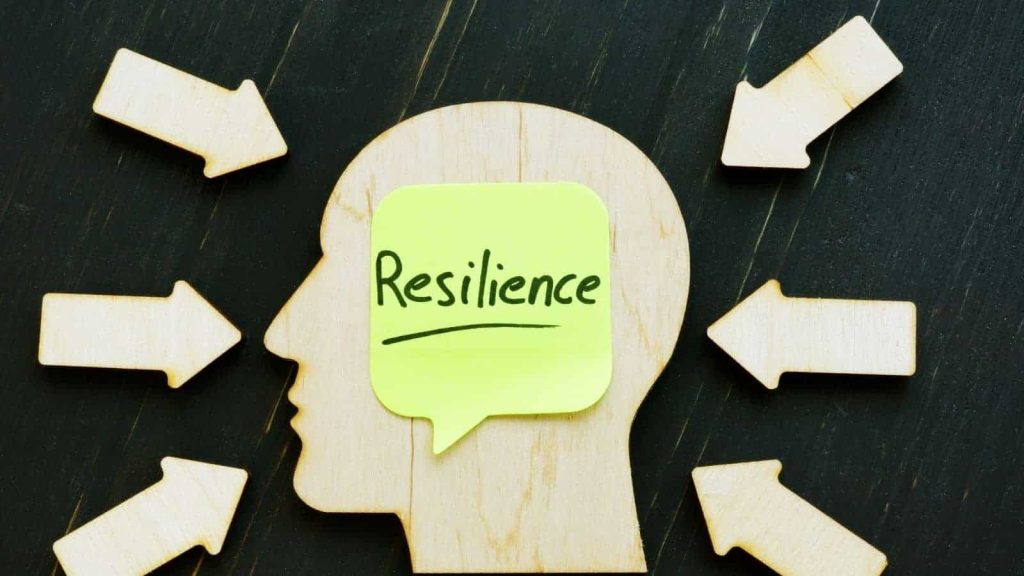
Incorporating Positive Affirmations into Daily Life
To reap the benefits of positive affirmations, incorporating them into your daily routine is essential. Whether it’s through morning rituals, journaling, or even vocal exercises during commutes, the key is consistency. Consider setting aside a few minutes each day to repeat affirmations that resonate with you. With time and dedication, many individuals find that these simple phrases not only enhance their self-image but also catalyze a more resilient and fulfilling life. As the prevalence of mental health awareness continues to rise, embracing the power of positive affirmations offers a tangible way to thrive emotionally and mentally.
DISCOVER MORE: Click here to learn how daily affirmations can boost your emotional resilience
The Science Behind Positive Affirmations and Mental Health
The connection between positive affirmations and mental health can be traced through a developing body of research that highlights their potential in strengthening emotional resilience. Understanding the scientific principles behind this practice provides a clearer picture of how these simple phrases can evoke profound shifts in mental well-being. By investigating the mechanisms through which positive affirmations operate, individuals can better appreciate their role in promoting mental health.
The Neuroscience of Affirmations
Studies suggest that positive affirmations can positively influence brain function, particularly in areas related to self-referential processes. When individuals engage in affirmation practices, they activate neural pathways associated with self-worth and confidence. This process not only fortifies the brain’s ability to generate positive feelings but also inhibits the negative self-talk that often pervades an individual’s thoughts. Neuroimaging research indicates that repeated exposure to affirmations strengthens connections in the prefrontal cortex—an area crucial for self-regulation and decision-making. This implies that the more individuals affirm their abilities and worth, the more natural these positive beliefs become.
Behavioral Changes Triggered by Positive Affirmations
Engaging in positive affirmations leads to observable behavioral changes that are essential in cultivating resilience. These changes can manifest in various aspects of life, including:
- Improved Relationships: Positive affirmations can bolster interpersonal relationships by enhancing communication and fostering an atmosphere of compassion. When individuals feel secure and confident in themselves, they are more likely to treat others with respect and empathy.
- Goal Achievement: For those pursuing personal or professional objectives, positive affirmations can serve as motivational tools. By affirming one’s abilities, individuals often find themselves more focused and committed to achieving their dreams.
- Healthy Coping Strategies: Utilizing positive affirmations can foster healthier responses to stress. Instead of resorting to detrimental behaviors, such as substance abuse or social withdrawal, affirmations encourage individuals to approach challenges with a problem-solving mindset.
Cultivating Positive Relationships with Oneself
Incorporating positive affirmations into daily practice also enhances the relationship individuals have with themselves. In a culture that often emphasizes flaws and setbacks, positive affirmations encourage a shift in narrative, prompting individuals to become their own cheerleaders rather than critics. This nurturing of self-support can significantly combat feelings of depression and anxiety, reinforcing a healthier self-image and a more optimistic outlook.
The Role of Consistency in Affirmation Practice
Consistency is key when it comes to realizing the benefits of positive affirmations. Studies reveal that individuals who regularly engage with affirmations experience a marked increase in their overall well-being as compared to those who practice sporadically. Establishing a dedicated time each day for affirmation can help integrate this practice seamlessly into daily life, supporting significant behavioral and emotional improvements over time.
As the conversation around mental health continues to evolve, the integration of positive affirmations stands out as a practical, empowering tool for individuals seeking to strengthen their emotional resilience in everyday settings. By understanding the processes behind these affirmations and their real-life applications, people can take tangible steps toward improved mental health and overall life satisfaction.
The Connection Between Positive Affirmations and Mental Health
Positive affirmations are powerful tools that can significantly impact mental health and emotional resilience. By repeatedly affirming positive statements, individuals can cultivate a more optimistic mindset, which can lead to increased mental well-being. The practice of positive affirmations has gained momentum in the field of psychology, particularly in cognitive behavioral therapy (CBT), which emphasizes the importance of self-talk in influencing thoughts and emotions.One relevant aspect to consider is how positive affirmations can alter neural pathways in the brain. Neuroplasticity, the brain’s ability to reorganize itself by forming new neural connections, means that with consistent positive affirmations, one can rewire their emotional responses. This process enables individuals to combat negative self-beliefs and anxiety, paving the way for improved emotional resilience.Moreover, positive affirmations can serve as a practical strategy for coping with daily stressors. When challenges arise, individuals who practice affirmations are better equipped to handle adversity with a constructive mindset. This adaptability is crucial in our fast-paced world, where stressors can often overwhelm individuals. By focusing on positive thoughts and self-empowerment, people can bolster their emotional defenses against life’s ups and downs.Additionally, the impact of positive affirmations extends beyond the individual. The communal aspect of sharing affirmations can foster supportive environments. In group settings, whether in therapy, workshops, or even casual conversations, sharing uplifting messages can strengthen connections and community resilience. This collective practice encourages individuals to uplift each other, fostering a culture of positivity and support, which is vital for collective mental health.As we delve deeper into the mechanics of positive affirmations, it becomes evident that they are not merely motivational phrases but essential psychological tools. They enhance self-esteem, foster a positive self-image, and contribute to overall emotional resilience. Understanding their profound benefits invites individuals to harness positive affirmations as a practical tool for enhanced mental health and daily life engagement.
| Category 1 | Category 2 |
|---|---|
| Emotional Resilience | Strengthened coping mechanisms through positive self-affirmation practices. |
| Mental Well-Being | Enhanced mood and reduced anxiety via daily affirmations that reframe negative thoughts. |
Engaging with positive affirmations can undeniably lead to a more enriching and resilient life, encouraging individuals to explore the depths of their emotional well-being. Understanding and applying this insightful practice may profoundly enhance personal and communal mental health.
DISCOVER MORE: Click here for additional insights
Practical Applications of Positive Affirmations
Understanding the connection between positive affirmations and mental health is not merely an academic exercise; it has real-world applications that can significantly transform individuals’ daily lives. Implementing positive affirmations can be done in various creative and structured ways, allowing individuals to find the methods that best suit their unique needs and lifestyles.
Creating Personalized Affirmations
One of the most impactful techniques in harnessing the power of positive affirmations is crafting personalized statements that resonate deeply with individual experiences. Personal affirmations should be specific, meaningful, and relevant to one’s circumstances. For instance, someone struggling with low self-esteem might use, “I am enough and deserve love and respect.” This personalized approach can create a much stronger emotional impact than generic affirmations. Research suggests that the effectiveness of positive affirmations is significantly heightened when they are tailored to reflect individual challenges and aspirations.
Incorporating Affirmations into Daily Routines
For those unsure of how to start, incorporating affirmations into daily routines can help solidify this beneficial practice. Here are a few methods:
- Morning Rituals: Starting the day with a series of positive affirmations can set a positive tone for the hours ahead. Reciting affirmations in front of the mirror while maintaining eye contact can enhance the feeling of authenticity and commitment.
- Visual Reminders: Write affirmations on sticky notes and place them in prominent locations, such as on a computer screen, bathroom mirror, or refrigerator. Seeing these reminders throughout the day helps keep a positive mindset.
- Journaling: Documenting affirmations in a journal can help reinforce them further. This method also allows individuals to track their emotional growth and resilience over time, providing tangible evidence of progress and evolution.
The Influence of Group Affirmation Practices
Group settings also offer a dynamic platform for sharing positive affirmations. Participating in affirmation circles, support groups, or therapy sessions can amplify the impact of affirmations significantly. Being in a communal space where individuals express their strengths and support each other can overcome feelings of isolation and self-doubt. This shared experience cultivates community and resilience among participants. Studies have shown that collective affirmations inspire individuals to absorb the positive energy of the group, reinforcing their own beliefs in their abilities.
Challenges in Practicing Affirmations
While the benefits of positive affirmations are evident, it is essential to recognize the challenges some individuals may face while practicing them. For many, ingrained negative thought patterns can make it difficult to embrace positivity genuinely. Cognitive dissonance—a psychological phenomenon that occurs when one’s beliefs and behaviors conflict—can cause individuals to feel unworthy of the positive affirmations they recite. Overcoming this challenge takes time and persistence, emphasizing the need for patience and self-compassion in the journey toward emotional resilience.
Ultimately, understanding and implementing positive affirmations as a tool for mental wellness can lead to a more profound appreciation of oneself and a fortified mental landscape. By integrating affirmations into daily life and addressing the challenges they might pose, individuals can gradually reshape their narratives and enhance their emotional resilience, empowering them to face life’s challenges with a renewed sense of strength and optimism.
DIVE DEEPER: Click here to discover the power of daily affirmations
Conclusion: Empowering Mental Health Through Positive Affirmations
As we have explored, the profound connection between positive affirmations and mental health serves as a powerful testament to the potential of our thoughts in shaping our emotional landscapes. Integrating affirmations into one’s life is more than a simple exercise; it is a transformative practice that fosters emotional resilience and empowers individuals to confront challenges with renewed vigor. The personalized nature of affirmations, alongside the supportive environments created through group practices, emphasizes our innate capacity for growth and self-acceptance.
Recognizing the challenges associated with adopting positive affirmations is also essential. It is important to approach this practice with patience and self-compassion, acknowledging that ingrained negative thoughts may require significant time and effort to reshape. Understanding that emotional resilience is a journey—marked by perseverance and small victories—can inspire individuals to continue nurturing their mental health.
In our fast-paced world, where stress and anxiety are prevalent, the deliberate practice of positive affirmations stands out as a beacon of hope and healing. By embracing this strategy, individuals can embark on a path toward not just mental wellness, but a deeper appreciation for themselves. The exploration of this topic reveals how we hold the power to influence our mental health positively, reinforcing the idea that through intentional thinking and supportive communities, we can thrive despite adversity. Let this serve as an invitation to discover the remarkable benefits of positive affirmations and their potential to strengthen emotional resilience in our daily lives.