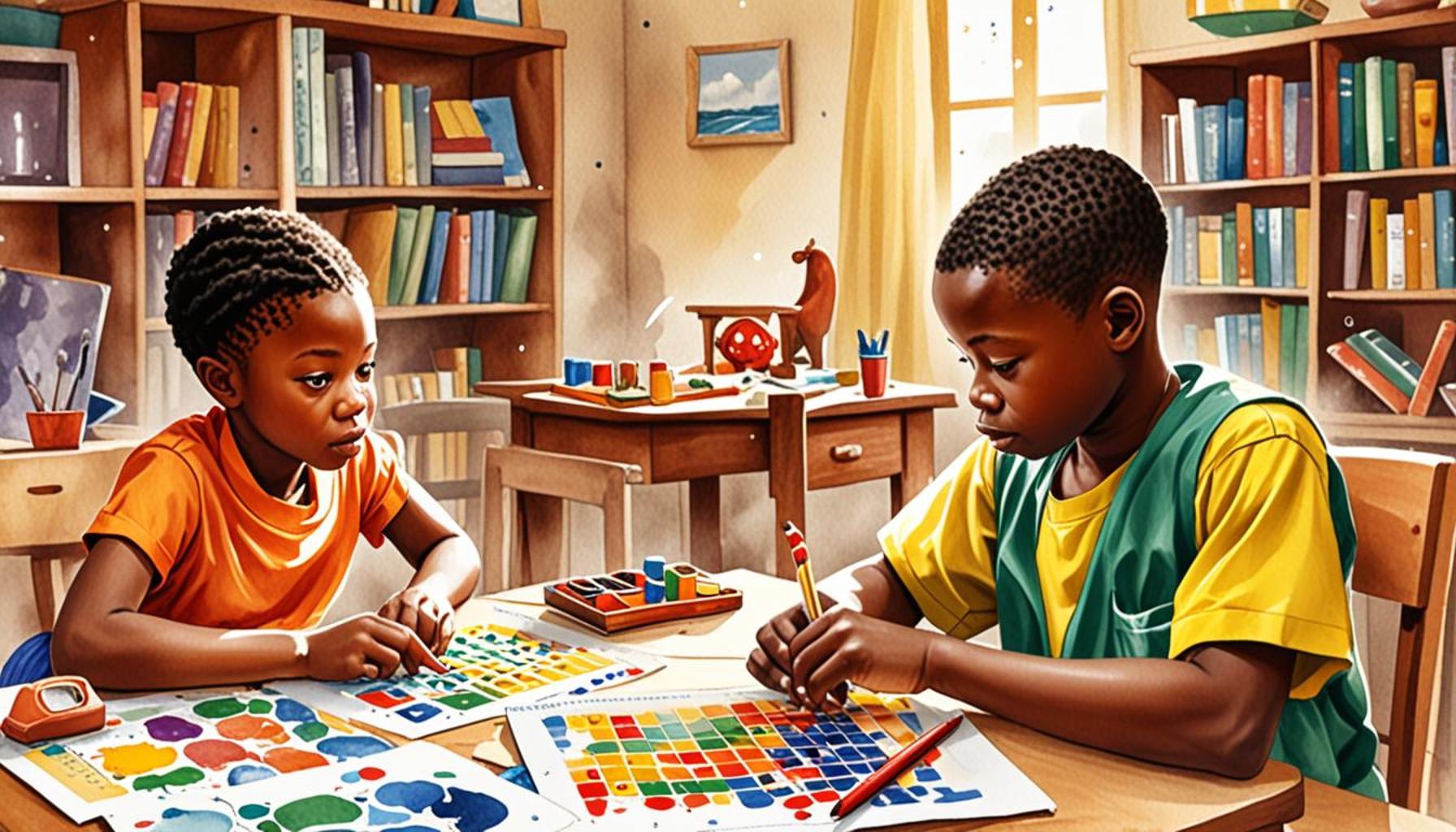
The Relevance of Word Games in the Preservation of Nigerian Linguistic Culture
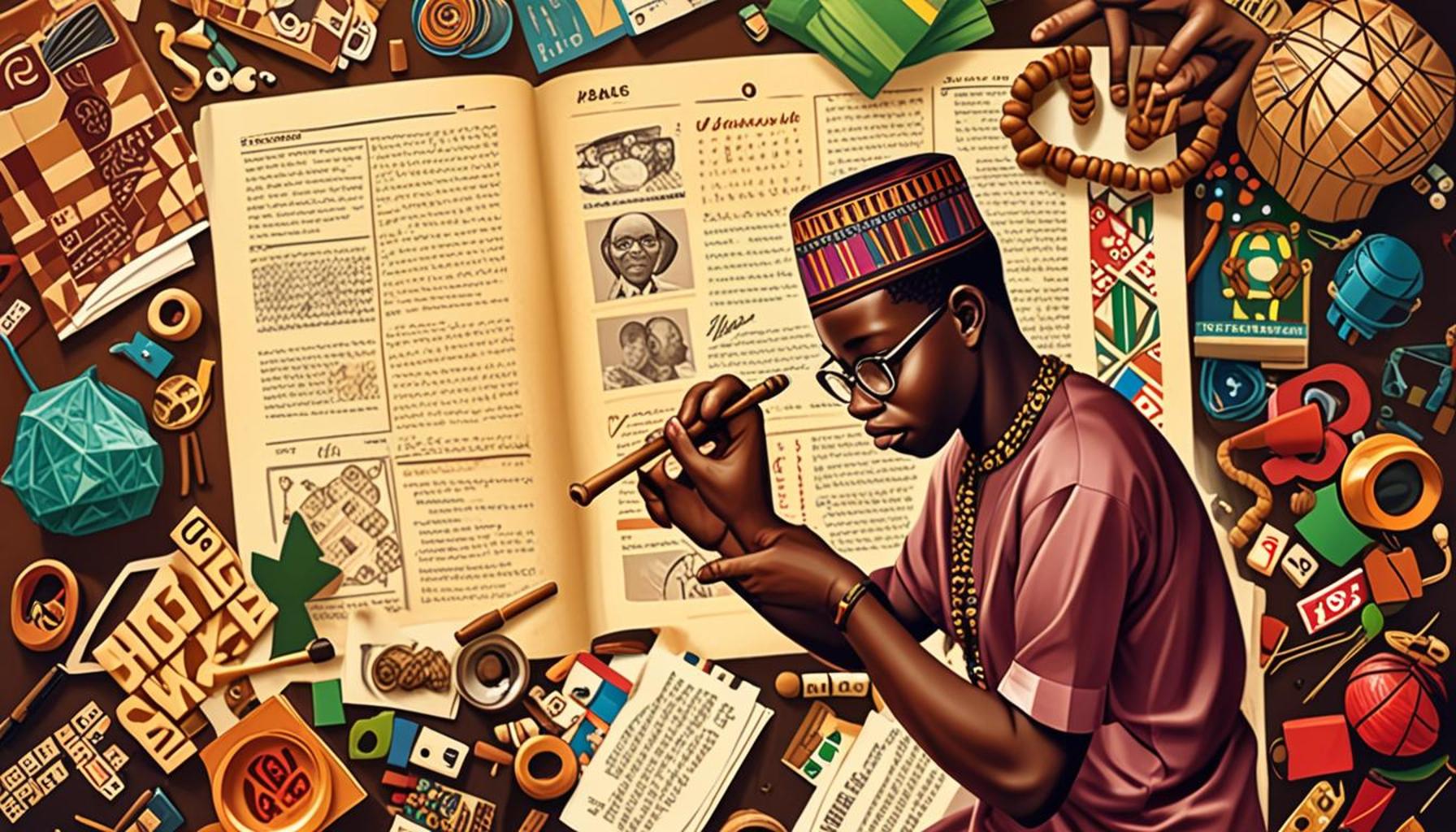
The Role of Word Games in Nigerian Culture
Language serves as a fundamental pillar of cultural identity in Nigeria, a nation celebrated for its remarkable linguistic diversity. With over 500 languages spoken, including Hausa, Igbo, and Yoruba, the vibrancy of these languages is echoed through various word games that not only entertain but also play a crucial role in the preservation and evolution of this rich heritage.
Preservation of Dialects
Many traditional and contemporary word games incorporate local dialects, ensuring that they remain active and relevant. Games such as Damii (a variant of checkers) and Oware encourage the use of indigenous vocabulary, allowing players to engage with their cultural roots. For instance, in regions where the Yoruba language is prevalent, the use of idiomatic expressions during gameplay fosters a connection to the vernacular, ensuring that these expressions are not lost to future generations. By reinforcing language familiarity, these games play a vital role in cultural transmission.
Cognitive Development
The cognitive benefits of word games are significant, as they stimulate mental agility and enhance vocabulary. Games like Scrabble demand strategic thinking and knowledge of words, broadening participants’ linguistic appreciation and skills. Research has shown that engaging in such games can improve literacy rates in young learners, promoting a love for language that extends beyond the confines of the gaming table. In fact, many educators in Nigeria have started incorporating these games into teaching frameworks to bolster students’ engagement with the English language.
Community Bonding
Word games serve as a nexus for social interaction, reinforcing community ties and celebrating cultural identity. They often bring families and friends together, creating opportunities for shared experiences and collective storytelling. In many households, evenings spent engaged in games like Ayo, a traditional board game, become cherished moments filled with laughter and camaraderie. Such gatherings facilitate cultural exchanges, where stories of ancestral legacies are narrated, embedding a sense of belonging and continuity within the community.
Moreover, as generations play these games, they pass down not only rules and strategies but also lessons in history, morality, and culture. The practice of sharing proverbs and traditional fables during games enriches the participants’ understanding of their heritage, ensuring that the wisdom of the past informs the present.
Conclusion
Engaging in word games is more than simply a pastime; it represents a profound commitment to the preservation and promotion of linguistic traditions in Nigeria. As participants navigate through the complexities of language via games, they embody a rich historical narrative that encapsulates identity, community, and culture. By embracing these games, we not only celebrate but also safeguard the intricate tapestry of Nigerian languages, ensuring that they resonate vibrantly for generations to come.
RECOMMENDED: Check out this similar article
Word Games: A Pillar of Linguistic Heritage
As Nigeria embraces its astounding linguistic variety, word games serve as a dynamic tool for preserving the country’s unique dialects and cultural expressions. With over 500 languages in play, many of these games embody the essence of local vernaculars, connecting players not only with each other but also with their roots. The cognitive benefits of word games cannot be overstated—they open the door to enhanced vocabulary, critical thinking, and a deeper understanding of one’s native language and its diverse forms.
Reviving Indigenous Languages
In an age of globalization, the struggle to keep indigenous languages vibrant is more pertinent than ever. Word games like Ekpo and Kilishi have emerged as essential tools for reviving and maintaining linguistic engagement. These games often encapsulate local idioms and proverbs, offering participants a chance to practice their language skills in a fun and interactive manner. For example, during a game of Amu, players often exchange popular sayings from the urban Pidgin English or classic Hausa, bringing a rich cultural tapestry into gameplay.
Encouraging Language Through Play
Many educators recognize the value of incorporating word games into the educational landscape to encourage language acquisition among children. For instance, by integrating games such as Taboo or Pictionary into classrooms, teachers create an engaging environment where children can learn new vocabulary and practice sentence construction. The tactile experience of play not only enhances language skills but makes learning a delightful pursuit, fostering a love for linguistic diversity.
Building Cultural Identity through Language
Word games in Nigeria transcend mere entertainment; they play a crucial role in shaping cultural identity. Each game often carries historical significance or societal values unique to its origins. Here are a few notable word games and their cultural implications:
- Ayo: A traditional game that promotes strategy and patience, often accompanied by oral storytelling that reinforces the community’s shared history.
- Palace Game: This game involves strategic wordplay that honors traditional titles and roles within various Nigerian societies, fostering an understanding of local governance systems.
- Word Search: Adapting this global favorite to reflect Nigerian content, such as local flora and fauna, allows players to learn about their environment while expanding their vocabulary.
As families gather around these games, they not only bond over gameplay but also strengthen the threads that weave their identities. Elders often take pride in imparting linguistic knowledge, ensuring the younger generation understands the significance of their cultural heritage. In this manner, word games transcend generations, serving both as an educational tool and a powerful medium for cultural transmission.
Conclusion
The interaction through word games encapsulates the essence of Nigerian linguistic culture. More than mere pastimes, these games are foundational to the community’s social fabric, affirming the richness of language and the stories that define Nigeria’s cultural identity.
The Relevance of Word Games in the Preservation of Nigerian Linguistic Culture
Word games are not merely a source of entertainment; they are a vital cog in the wheel of linguistic preservation among Nigeria’s diverse cultures. As the nation boasts over 500 languages, the importance of maintaining these languages cannot be overstated. Engaging in word games allows for the transmission of vocabulary, idiomatic expressions, and cultural nuances that might otherwise be lost in time.
Furthermore, these games promote cognitive development and literacy among the younger generations. By incorporating traditional puzzles, riddles, and word constructions, players interact with their languages actively. This interactive approach not only enhances language retention but also fosters a sense of identity. When individuals participate in word games, they embrace their culture, reinforce their linguistic heritage, and pave the way for future generations to appreciate the richness of their linguistic landscape.
Here’s how these advantages come to life:
| Category 1 | Category 2 |
|---|---|
| Language Retention | Word games help in solidifying vocabulary and grammar by promoting regular usage. |
| Cultural Identity | They foster a sense of belonging and pride in one’s linguistic heritage. |
The essence of these word games extends beyond mere play; they are instrumental in bridging generational divides, ensuring that linguistic knowledge is passed down naturally. The challenge lies in encouraging more communities to adopt and adapt these games, making them integral to cultural education and awareness.
Support for initiatives that promote the development and widespread use of such games can yield profound effects on the preservation of linguistic diversity in Nigeria. These cultural treasures are worthy of recognition and investment as they hold the key to the heart of Nigeria’s heritage.
LEARN MORE: This related article may interest you
Bridging Generations Through Language Play
The intergenerational aspect of word games cannot be overlooked in their role as a vehicle for cultural transmission in Nigeria. As younger generations engage with elders through games like Scrabble or Ludu, the transfer of linguistic knowledge becomes a natural and enjoyable experience. These interactions allow for the sharing of historical anecdotes, cultural practices, and language nuances that might otherwise be lost in our rapidly changing society. An elder explaining the origins of a word or a proverb during gameplay adds personal flair and oral storytelling, enriching the learning experience.
Word Games as Tools for Community Building
Word games also foster community spirit and social cohesion in Nigeria. Many communities organize word game tournaments that draw large crowds, turning what could be a solitary affair into a communal event. These gatherings not only reinforce language skills but also build relationships across different age groups and backgrounds. The tournament format encourages teamwork and camaraderie as players strategize and collaborate, allowing for new friendships to develop amidst healthy competition. Moreover, these events create a platform for local dialects to flourish, as participants proudly express their linguistic heritage during play.
The Role of Technology in Modern Linguistic Engagement
With the advent of technology, word games have found new avenues for engagement that help preserve Nigerian linguistic culture. Mobile apps featuring traditional games are becoming increasingly popular, allowing a broader audience to participate in linguistic and cultural exercises. Applications that present daily word challenges in dialects such as Yoruba, Igbo, and Hausa serve not only as entertainment but also as educational tools. Gamifying language learning through technology caters to the tech-savvy youth who may otherwise be disinterested in traditional forms of language preservation. Furthermore, social media platforms allow players to share their scores and achievements, sparking interest in others to explore their linguistic roots.
The Academic Perspective: Research and Documentation
Scholars and linguists have begun to recognize the importance of word games in both the academic field and community activism. Research initiatives are underway that delve into how local games reflect the construction of language and identity in Nigeria. By documenting gameplay sessions, especially those that involve indigenous language use, researchers can gather valuable data on linguistic shifts, usage patterns, and evolving semantics. This record becomes crucial for language preservation and revitalization efforts, ensuring that future generations have access to genuinely authentic linguistic material.
Nurturing Creativity and Innovation
Beyond preservation, word games in Nigeria also spark creativity and innovation among players. The collaborative nature of these games often leads to the invention of new terms or plays on existing ones, a sign of a vibrant linguistic culture. Young players, in particular, contribute fresh perspectives on traditional games, adapting them to contemporary themes that resonate with modern audiences. This process of linguistic evolution is essential for keeping a language lively and relevant. For instance, capturing contemporary issues through the medium of traditional wordplay reinforces cultural pride while ensuring that the language evolves alongside its speakers.
In this vibrant landscape of word games, the layers of Nigerian linguistic culture continue to interweave, offering a rich tapestry that speaks to the resilience of its people and their languages.
RECOMMENDED: Check out this similar article
Conclusion: The Enduring Significance of Word Games
As we explore the multifaceted role of word games in the preservation of Nigerian linguistic culture, it becomes evident that these games do more than entertain; they serve as vital instruments of cultural continuity. Through gameplay, the invaluable exchange of language, history, and tradition occurs, bridging the generational gap between elders and the youth. Indeed, games such as Scrabble and Ludu not only enhance language skills but also cultivate a strong sense of community, fostering relationships rooted in shared linguistic heritage.
The integration of technology into traditional word games represents a progressive step in enhancing engagement, making linguistic education accessible to a broader audience. Mobile applications and social media platforms introduce a dynamic aspect to language preservation, ensuring that the younger generation remains connected to their roots while embracing modernity. This synergy between tradition and innovation reinforces the resilience of Nigeria’s diverse linguistic landscape.
Moreover, the academic interest in documenting these games underscores their significance in understanding the evolution of Nigerian languages and identity. Researchers and community advocates alike recognize that the intricate details captured in gameplay provide crucial insights into language use and cultural identity, paving the way for revitalization efforts.
Ultimately, word games in Nigeria not only enrich our linguistic capabilities but also ignite creativity and innovation, keeping languages alive and relevant. As we champion these cultural practices, we contribute to a vibrant tapestry that honors our past while simultaneously shaping our linguistic future. Engaging in word games invites us all to reflect on the richness of our cultural heritage and advocates for the preservation of the languages that embody it.