The Impact of Board Games on the Socialization of Young Nigerians

The Revival of Board Games in Nigeria
In an age dominated by digital interactions, board games are witnessing a renaissance among young Nigerians. These classic games are more than just a source of entertainment; they serve as powerful tools for socialization, fostering connections and building communities. The trend of reviving traditional games, such as Ludu and Dambe, has led to a growing interest among the youth, who are eager to bridge the gap between modern technology and traditional pastimes.
Consider the following benefits of board games:
- Encouraging Communication: Playing board games promotes dialogue and collaboration among players. The requirement for discussing moves, sharing strategies, and negotiating outcomes nurtures vital communication skills. Games like Monopoly or Scrabble can lead to discussions about finances or vocabulary, respectively, offering educational value in a fun context.
- Building Relationships: Board games create opportunities for friendships to flourish in both family settings and peer groups. Whether it’s a family game night or a weekend gathering with friends, these games act as icebreakers, allowing individuals to connect on a personal level. The act of joint participation in a game fosters camaraderie and community spirit.
- Enhancing Critical Thinking: Many games require strategic planning, which improves cognitive skills while socializing. For instance, strategy-based games like Chess and Settlers of Catan require players to think several moves ahead and devise tactics, thus sharpening their analytical skills. These critical thinking elements encourage players to view challenges from multiple perspectives.
In the Nigerian context, where communal activities hold significant importance, board games can bridge generational gaps by bringing family members and friends together. The simple act of gathering around a board game can make weekends and holidays memorable. This is particularly relevant in traditional Nigerian households, where extended family gatherings are commonplace. With games that require collaboration and interaction, younger generations learn from the experienced wisdom of their elders while entertaining themselves.
The revival of board games among young Nigerians also aligns with the broader movement towards enhancing social interaction in a world increasingly influenced by screens. As people seek meaningful connections, the tactile experience of board games—passing pieces, rolling dice, and engaging visually—offers an antidote to the isolating effects of technology. This shift is not just a trend; it signifies a deeper yearning for community and belonging among the youth.
This article will delve into how board games shape social dynamics among young Nigerians, enriching their interpersonal skills and contributing to their cultural identity. Are these games mere pastimes, or do they serve a greater purpose in nurturing community bonds? The exploration invites readers to investigate further into the realms of enjoyment, education, and connection that board games represent in modern Nigerian society.

LEARN MORE: This related article may interest you
The Role of Board Games in Fostering Community Interaction
Board games serve as a vibrant medium for socialization among young Nigerians, providing not just entertainment, but also fostering critical interactions that are pivotal in building strong community ties. As young people navigate through their formative years, these games offer a structured environment in which they can engage, collaborate, and learn from one another, reinforcing the social framework that is essential in Nigerian culture.
To appreciate the impact of board games on socialization, it is essential to understand how these games cultivate a sense of belonging and togetherness. Community engagement is a hallmark of Nigerian life, and games act as a conduit for reinforcing this cultural norm. Board games like Oware and Ncho, which have rich histories and are deeply embedded in Nigerian tradition, provide young players with opportunities to bond while celebrating their cultural heritage.
Here are several key ways in which board games facilitate socialization among young Nigerians:
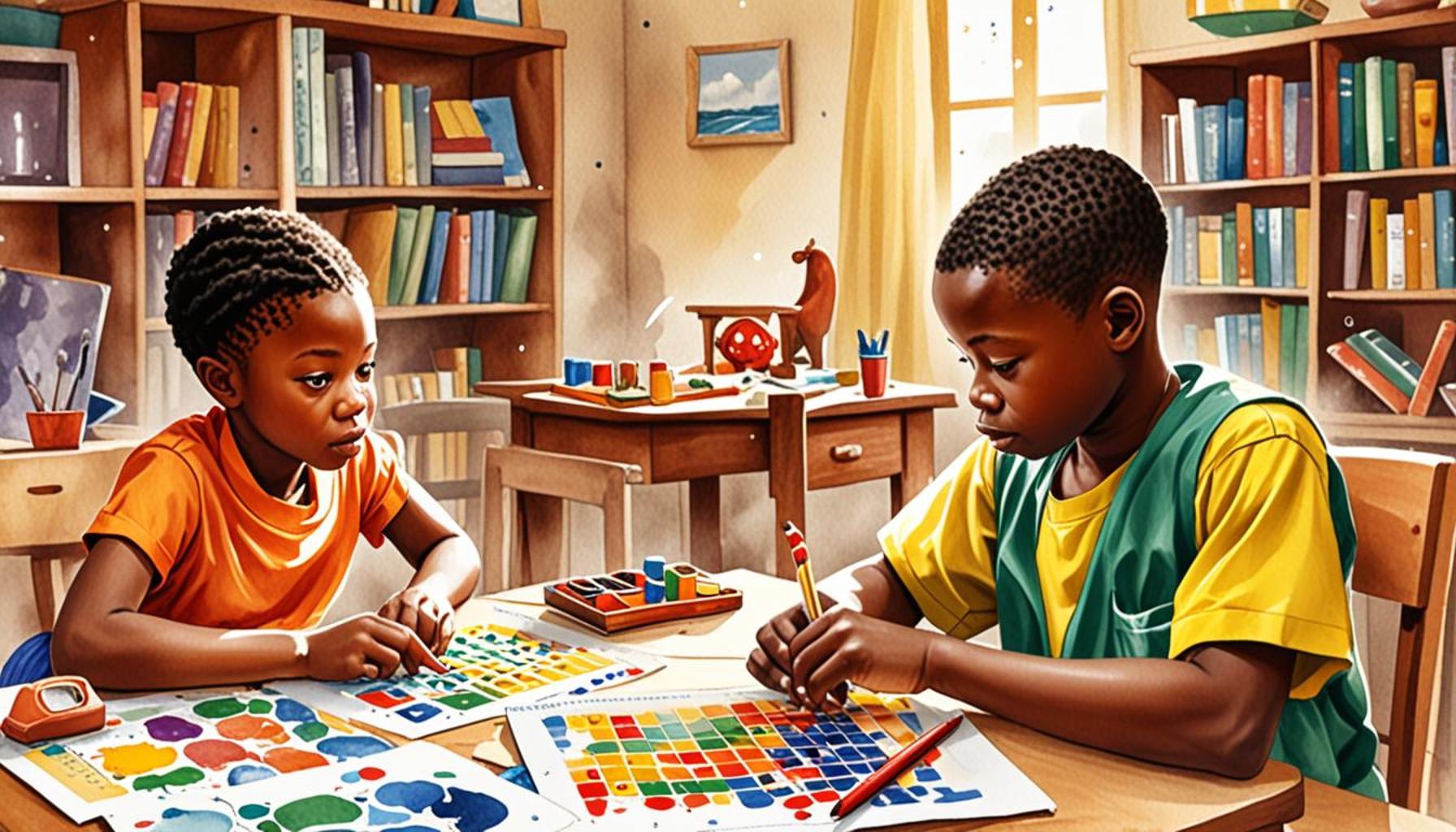
- Encouraging Group Participation: Many board games require multiple players, fostering a sense of unity. When young people come together to play games such as Ludu during festive periods, they not only engage in friendly competition but also share laughs and stories, weaving together memories that strengthen their bonds.
- Promoting Diversity and Inclusion: Board games can act as platforms for cross-cultural interactions. As young Nigerians from various ethnic backgrounds gather to play, they often share different strategies and approaches, promoting awareness and appreciation for diverse viewpoints. This interaction is crucial in our multicultural society, as it helps dispel stereotypes and build understanding.
- Instilling Moral Values: Playing board games often involves navigating challenges, winning, and losing gracefully. These experiences teach young people valuable lessons about teamwork, fairness, and resilience, elements that are instrumental in developing their social character and ethical frameworks.
Moreover, the tactile nature of board games adds to the richness of social interaction. Unlike digital gaming, where screens often dominate the experience, board games invite face-to-face engagement. The physical presence of participants encourages spontaneous conversations, laughter, and shared reactions, enhancing the emotional connections that are vital in social relationships.
As young Nigerians rediscover board games, they also engage in a unique form of cultural expression that is both nostalgic and contemporary. This duality—balancing tradition with modernity—enables them to forge identities that honor their heritage while adapting to the fast-paced world around them. Thus, board games become not merely recreational activities, but instruments for deepening social ties and enriching their cultural narratives.
In examining the impact of board games on the socialization of young Nigerians, it becomes evident that these pastimes serve as more than just a means of entertainment. They empower youth to cultivate relationships, develop life skills, and embrace their cultural identity, thereby weaving a stronger fabric of community and togetherness.
| Category | Details |
|---|---|
| Social Skills Development | Board games encourage communication, teamwork, and empathy among players. |
| Cultural Exchange | Games facilitate discussions on Nigerian traditions and foster an appreciation for diverse cultures. |
As young Nigerians increasingly engage with board games, there emerges a significant opportunity to enhance their social interactions. Board games provide a platform for players to connect, share experiences, and build friendships, which is essential in a rapidly changing digital world. The laughter and strategic discussions that occur during gameplay foster a sense of community and belonging. Moreover, through board games, players learn vital life skills such as patience, turn-taking, and conflict resolution. These experiences contribute to an enriched understanding of teamwork and collaboration, which are crucial for personal and professional growth. By playing games that reflect their own culture or introduce them to new ones, young Nigerians can develop a broader worldview while embracing their heritage. This dual benefit not only motivates gameplay but also encourages an enthusiastic exploration of the rich tapestry of Nigerian identity through playful interaction. As such, board games stand as a unique medium for strengthening the social fabric of young Nigerians.
SEE ALSO: Click here to read another article
Board Games as Tools for Skill Development
While primarily viewed as avenues for recreation, board games are also instrumental in the development of crucial life skills among young Nigerians. They are not merely games of chance or strategy; they serve as platforms that encourage participants to enhance their cognitive and interpersonal capabilities in ways that transcend the gaming table.
One of the most significant aspects of board games is their ability to foster critical thinking and problem-solving skills. Many traditional Nigerian board games, such as Ayo and Oware, require players to devise strategies, anticipate opponents’ moves, and adjust their tactics accordingly. This not only stimulates mental agility but also encourages participants to handle complex situations responsibly, equipping them with skills applicable in real-life scenarios, such as academic challenges or workplace dynamics.
Moreover, the process of playing these games often involves engaging in discussions and negotiations, which strengthens young people’s communication skills. Whether arguing for a particular play or persuading peers about the best strategy, players learn to articulate their thoughts clearly and listen actively to others. This kind of interaction nurtures collaboration and teamwork—a crucial asset in an increasingly competitive world.
Board Games and Emotional Intelligence
Another impactful dimension of this socialization process is the development of emotional intelligence. Engaging in board games teaches young Nigerians to manage emotions, both their own and those of others. Players experience the highs of victory and the lows of defeat, enabling them to navigate the emotional landscape of competition. Learning how to cope with both success and failure fosters resilience and enhances the capacity for empathy—crucial qualities in today’s interconnected society.
- Interpersonal Relationships: As young players engage in games together, they build relationships based on trust and mutual respect. These interactions often lead to lasting friendships that remain strong well beyond childhood.
- Conflict Resolution: In the context of friendly competition, disagreements may arise. Board games often present opportunities for players to resolve conflicts amicably, honing their ability to negotiate and compromise.
- Leadership Skills: Frequently, these games inspire individuals to take initiative and assume leadership roles within groups. Players may take turns being the game leader, helping them to develop skills that promote confidence and assertiveness.
Additionally, board games can serve as gateways for young Nigerians to tap into their creative potential. Many games feature components that encourage players to develop stories or scenarios, fostering imagination. The creation of house rules or modifications to existing game mechanics can lead to a unique gaming experience, allowing players to express their individual creativity. This ingenuity not only enhances the enjoyment of play but also empowers young people to take ownership of their leisure activities, asserting their individuality within the community.
In light of the evolving digital landscape that often distracts from face-to-face interaction, the resurgence of board games among young Nigerians signifies a remarkable shift back to building connections in person. As they gather around tables, dice in hand, they are not just playing; they are cultivating skills, reinforcing cultural ties, and enhancing their social fabric, all while nurturing a sense of community that is paramount in Nigerian culture.
RECOMMENDED: Check out this similar article
Conclusion: Embracing Cultural Connections Through Board Games
In conclusion, the resurgence of board games among young Nigerians serves as a powerful reminder of the importance of interpersonal connections in a rapidly digitizing world. These games, often rooted in rich cultural traditions, provide an engaging platform for young people to enhance essential life skills such as critical thinking, communication, and emotional intelligence. Through collaborative play, they cultivate interpersonal relationships and foster a sense of community that echoes the values embedded in Nigerian society.
The experience of engaging in friendly competition not only aids in developing conflict resolution skills but also promotes the leadership qualities that are vital for future success. As players negotiate, strategize, and navigate the emotional highs and lows of gaming, they discover invaluable lessons about resilience and empathy—skills that are more important now than ever.
Moreover, the creative outlet that board games provide encourages young Nigerians to express their uniqueness, further enriching their social experiences. This blend of cultural heritage and personal creativity ensures that the tradition of board gaming continues to thrive, nurturing future generations.
As we reflect on the impact of board games on the socialization of young Nigerians, it becomes evident that these games extend beyond mere entertainment. They are vital instruments for personal growth and community building, reminding us of the enduring connections that shape our identities and strengthen our social fabric. Moving forward, fostering this enthusiasm for board games can play a crucial role in bridging generational gaps and preserving cultural heritage in an increasingly globalized environment.