
The Relationship between Thinking Games and the Improvement of Academic Performance in Nigerian Schools

The Role of Thinking Games in Education
In the ever-changing educational environment of Nigeria, traditional methods of learning are being challenged and redefined. The introduction of thinking games is proving to be a transformative strategy for enhancing academic performance. These interactive activities not only engage students but also stimulate their ability to think critically, allowing for an enriched understanding of complex subjects that are often hard to grasp through conventional teaching methods.
So, what exactly are thinking games? These are structured activities designed to promote a variety of cognitive skills. Here are some key features:
- They promote problem-solving skills, encouraging students to approach challenges analytically.
- They foster collaborative learning, where students can share ideas and strategies with their peers.
- They enhance memory retention and cognitive abilities by making learning enjoyable and engaging.
Research highlights the effectiveness of these games. For instance, students who participate in thinking games often show significant academic improvements. This can be observed in different subjects; for example:
- Math skills exhibit marked growth, as games that involve problem-solving with numbers help students understand mathematical concepts better.
- Language proficiency improves through interactive storytelling games, where students not only learn new vocabulary but also engage in creative thinking.
- Science concepts become clearer through simulation games that allow students to experiment in a virtual environment, making abstract theories tangible.
The connection between thinking games and enhanced academic success prompts further exploration into their implementation in Nigerian schools. How can educators incorporate these valuable tools into the curriculum? Well, teachers can start by integrating simple board games or educational software during lessons to encourage engagement. For example, using local stories and cultural elements in storytelling games can make learning more relatable for students.
Moreover, the role of parents is equally crucial in this educational revolution. They can encourage the use of thinking games at home, turning family game nights into opportunities for learning. This not only reinforces skills gained in school but also ensures that learning remains a playful endeavor.
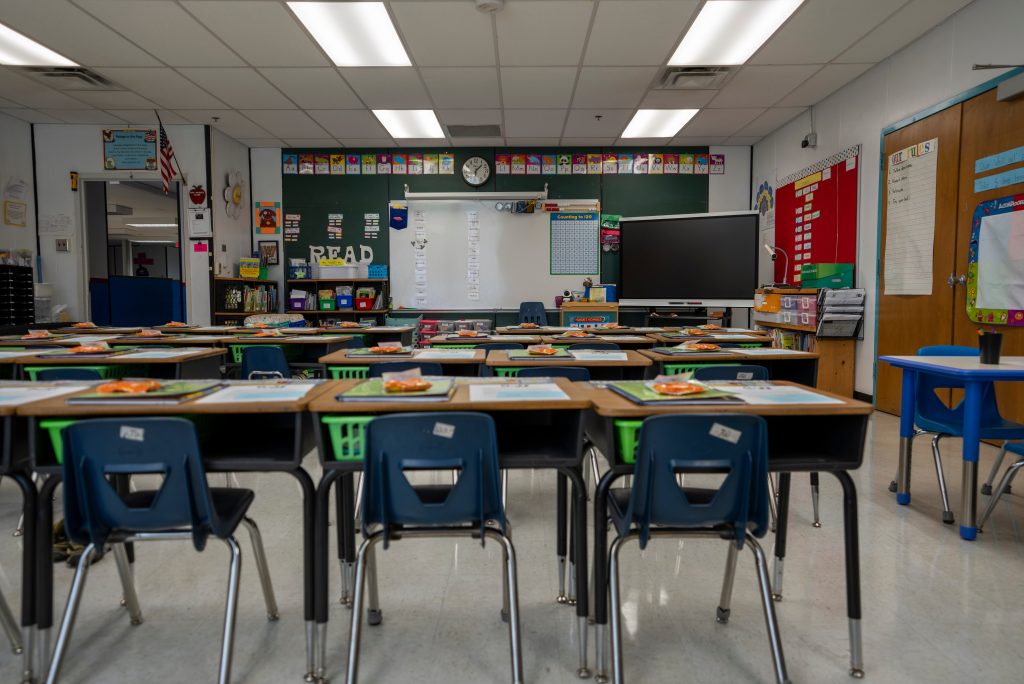
As we delve deeper into the transformative potential of thinking games, it becomes clear that their integration into the educational fabric of Nigeria could lead to profound improvements in student performance. With their ability to make learning interactive and enjoyable, thinking games indeed hold the key to unlocking the full academic potential of students across the nation.
RECOMMENDED: Check out this similar article
Understanding the Impact of Thinking Games on Learning
As the landscape of education in Nigeria evolves, the relevance of innovative approaches like thinking games cannot be overstated. These games serve as tools that bridge the gap between traditional educational methods and modern learning requirements, offering students enhanced engagement in their studies. The integration of thinking games into the curriculum not only makes learning enjoyable, but it also significantly influences students’ academic trajectory.
It is essential to understand how thinking games contribute to improved academic performance. Research has demonstrated that these games tap into various cognitive processes that are crucial for academic success. Here are some ways thinking games bolster learning:
- Critical Thinking Development: Engaging in thinking games encourages students to reason through challenges, supporting their ability to analyze information effectively. This critical thinking is particularly beneficial in subjects like mathematics and science, where problem-solving skills are paramount.
- Enhanced Creativity: Many thinking games require students to think outside the box, fostering creativity. For instance, role-playing games allow students to explore different scenarios, enhancing their creative capabilities and making them more adaptable to changes in their learning environments.
- Communication Skills: Collaborative thinking games often involve teamwork. Students must communicate effectively with their peers, as they share thoughts, debate ideas, and strategize together. This engagement naturally boosts their language skills and confidence in public speaking.
Furthermore, the relationship between thinking games and academic performance is particularly evident in measurable assessments. A study conducted in various Nigerian schools revealed that students participating in structured thinking games scored higher on standardized tests compared to those who engaged solely in traditional learning. The implications are significant; schools that embrace such methods can witness a transformation in their students’ educational outcomes.
Additionally, integrating culturally relevant themes into thinking games can enhance their effectiveness. For example, using traditional Nigerian folktales as the basis for games not only captivates students but also connects them to their heritage. This cultural resonance encourages deeper engagement and helps students relate the concepts they learn in class to their everyday lives.
Incorporating thinking games in Nigerian schools can also address the diverse learning styles of students. Some learners absorb information visually, while others thrive in interactive environments. The dynamic nature of thinking games caters to these varied preferences, offering multiple pathways for students to grasp complex subjects—ultimately promoting inclusivity in learning.
The shift towards embracing thinking games in Nigerian education appears to align with the global trend towards more interactive and student-centered learning methodologies. As such, schools are urged to think strategically about how to incorporate these games into daily lessons, empowering students to become proactive learners rather than passive recipients of information.
The Relationship between Thinking Games and Academic Performance
As educational methods evolve, the integration of thinking games in classrooms across Nigeria has shown significant potential in enhancing academic outcomes. These games are not just mere pastimes; they serve as intricate tools that foster critical thinking, problem-solving skills, and effective collaboration among students. Engaging in these activities boosts cognitive abilities, encouraging students to apply learning in real-world contexts.
| Category | Benefits |
|---|---|
| Critical Thinking | Thinking games promote creative problem-solving and analytical skills. |
| Social Skills | They enhance teamwork, communication, and collaboration abilities among students. |
Furthermore, a remarkable aspect of these games is their ability to decrease stress and anxiety associated with academic pressures. The fun, engaging nature of thinking games makes learning enjoyable, fostering a positive attitude toward education. Educational research indicates a strong link between student engagement and improved performance, suggesting that incorporating these games in Nigerian schools could lead to lasting academic success.In addition to mental enrichment, thinking games can also bridge the gap in classroom participation. Diverse learning styles are acknowledged, allowing students with different strengths to shine, making them a valuable inclusion in the current Nigerian educational framework.As the conversation around educational reform continues, exploring the benefits of thinking games could be critical in shaping effective teaching methodologies and improving academic standards nationwide.
CHECK OUT: Click here to explore more
Exploring the Real-World Benefits of Thinking Games
As educators seek effective strategies to enhance students’ learning experiences, thinking games emerge as a powerful and adaptable tool. Beyond classroom engagement, the influence of these games extends into students’ personal development and social skills. With Nigeria’s educational system facing numerous challenges, such as limited resources and increasing student population, the adaptability of thinking games presents opportunities to redefine learning methodologies.
One of the remarkable benefits of thinking games is their ability to cultivate emotional intelligence. Games that require players to assume different roles or make decisions based on empathy can significantly enhance students’ understanding of their peers. In a diverse nation like Nigeria, where students come from various cultural backgrounds, this increased awareness creates a more harmonious classroom atmosphere. When students develop better emotional intelligence through interactive learning, they are more likely to collaborate effectively, reducing instances of conflict.
Additionally, thinking games have been shown to promote resilience and perseverance among students. Faced with challenges during gameplay, students learn to navigate obstacles, building a mindset geared towards problem-solving. This quality translates to their academic pursuits; a student who has learned to persist in a game is likely to apply the same dedication to schoolwork, thus enhancing their academic performance over time.
The transition to a skill-based curriculum in Nigeria highlights the necessity for developing critical life skills alongside academic knowledge. Thinking games serve as a bridge, transforming theoretical concepts into practical applications. For instance, games that simulate financial decisions can teach students about budgeting and financial literacy, crucial skills for their futures. This hands-on approach not only solidifies the learning of core subjects like mathematics but also prepares students for real-world challenges.
Recent initiatives in Nigerian schools have begun to show promising results. Pilot programs integrating thinking games into subjects such as English and science reported increased student participation and improved grades. For example, in a Lagos-based secondary school, teachers noted a marked rise in the overall average score in mathematics following the introduction of strategy-based games. The initial results are encouraging, prompting educators to delve deeper into how educational games can be tailored to various curriculums.
Moreover, the use of technology to enhance thinking games holds vast potential. With the rise of mobile applications and online platforms, students can engage in thinking games beyond the physical classroom, allowing for continuous learning. Programs that enable classroom discussions to extend into virtual spaces make it easier for students to collaborate, even amidst barriers such as geographical distances, facilitating an inclusive educational experience.
Furthermore, parents can play an integral role in the adoption of thinking games at home. Educational games that encourage familial involvement help reinforce concepts learned in school. When parents engage with their children in dual-thinking activities, they inadvertently enhance their child’s academic journey while promoting quality family interaction. Families learning together can build not just knowledge but a lifelong love of learning.
The extensive potential of thinking games in Nigerian schools underscores a growing narrative: educational innovation can indeed stem from reinvigorating traditional practices. By recognizing the multifaceted benefits that thinking games bring, educational stakeholders can take significant steps toward creating enriching learning environments that prepare students not just for exams, but for life.
CHECK OUT: Click here to explore more
Conclusion: A New Paradigm for Learning
In conclusion, the relationship between thinking games and the enhancement of academic performance in Nigerian schools presents a compelling narrative that cannot be ignored. As we navigate the complexities of modern education, it becomes increasingly clear that traditional approaches alone may not suffice. The integration of thinking games in educational settings not only fosters critical thinking and problem-solving skills, but also enhances emotional intelligence, resilience, and collaboration among students.
The positive outcomes from pilot programs, where students exhibit increased participation and improved academic results, serve as a testament to the efficacy of this innovative approach. Schools across Nigeria are beginning to realize that when students engage with learning through interactive and enjoyable means such as games, they are more likely to internalize lessons and apply them practically, whether in mathematics, science, language arts, or life skills.
Furthermore, the potential for technology to amplify the impact of thinking games cannot be understated. With an ever-increasing number of digital tools available, students have access to these cognitive resources beyond the confines of the classroom, facilitating continuous learning and engagement. As families embrace educational games at home, the collaboration between parents and students paves the way for a robust educational foundation that transcends mere academics.
As stakeholders in Nigeria’s educational system continue to explore this frontier, it is essential to acknowledge that the future success of our students lies in our ability to foster environments conducive to creative thinking and lifelong learning. In embracing thinking games as a cornerstone of education, we are not merely preparing our youth for exams; we are equipping them with the skills necessary to thrive in an increasingly complex world.